
How to Tighten Your Tummy After a C-Section: Safe & Effective Tips
Last updated on September 8, 2025
From Recovery to Results: Rebuilding Your Core After a C-Section
Pregnancy and childbirth can have a lasting impact on the body, and many women find that their tummy doesn’t return to its pre-baby state, especially after a C-section. If you’re wondering how to tighten your tummy after a C-section, you’re not alone.
From weakened abdominal muscles to excess skin and localised fat, there are many reasons your midsection may still feel unfamiliar even months after delivery. The good news? With the right combination of recovery strategies and targeted treatments, it’s entirely possible to restore strength and shape to your core.
What Happens to Your Tummy After a C-Section?
A C-section involves incisions through several layers of abdominal tissue. While your body is remarkable at healing, the procedure can affect how your muscles and skin recover. During pregnancy, the abdominal muscles stretch apart (a condition known as diastasis recti), and after a C-section, these muscles may take longer to realign and regain strength.
You may also notice:
- Loose or sagging skin around the lower abdomen
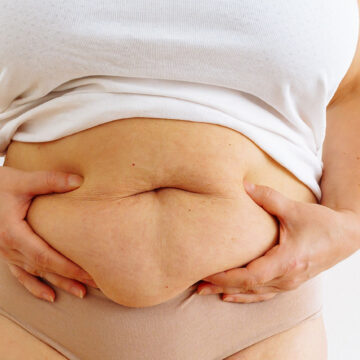
- A persistent ‘belly pouch’ due to weakened muscles or retained fat
- Localised swelling or scar tissue at the incision site
These changes are completely normal, but for some women, they don’t resolve on their own.

Core-focused exercises and a gradual approach are key to tightening your tummy after C-section recovery.
Lifestyle Tips to Support Natural Recovery
Before considering any treatments, it’s essential to prioritise foundational recovery. These small, consistent steps can make a big difference in how your tummy heals after a C-section.
Eat Nutrient-Rich Foods
Support collagen production and skin elasticity with foods rich in vitamin C, protein and healthy fats. Staying hydrated also helps maintain skin firmness.
Gentle Movement and Walking
Daily movement improves circulation and reduces bloating. Walking is a safe and effective way to ease back into physical activity during early recovery.
Good Posture and Core Engagement
Holding yourself upright helps re-activate the core muscles and prevent further weakening of the abdominal wall. Avoid slouching when feeding or holding your baby.
Compression Garments
While not a long-term solution, postpartum abdominal binders can provide temporary support and improve comfort during early healing stages.
Safe Exercises to Rebuild Core Strength
When your doctor gives you the all-clear (usually around 6 to 8 weeks postpartum), you can begin gentle exercises tailored to core restoration. Start with movements that target the transverse abdominis (your deep core muscle). These might include:
- Pelvic tilts
- Heel slides
- Modified planks
- Controlled breathing exercises
These exercises are especially helpful for addressing diastasis recti and can gradually help flatten the tummy without strain. Avoid crunches or sit-ups in the early months, as they can worsen muscle separation.

Surgical options like tummy tuck and Vaser liposuction can offer lasting results when natural methods aren’t enough to tighten the tummy after a C-section.
Surgical Treatments to Tighten the Tummy
For women experiencing ongoing issues like loose skin, muscle separation, or stubborn fat that doesn’t respond to lifestyle changes, surgical treatment may offer a more definitive solution.
Tummy Tuck (Abdominoplasty)
This procedure removes excess skin and repairs separated abdominal muscles, offering a firmer, flatter result. It’s particularly beneficial for women dealing with diastasis recti or sagging skin post-C-section.
Vaser Liposuction
Vaser technology uses ultrasound energy to break down fat with precision. It’s often used to target stubborn areas such as the lower abdomen and flanks, enhancing the overall shape of the midsection.
Mummy Makeover
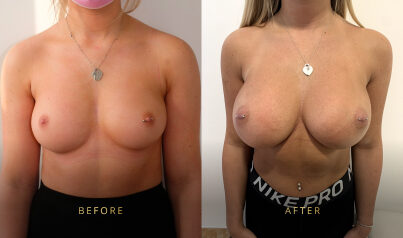
This combination procedure addresses multiple post-pregnancy concerns in one surgery, typically involving the tummy and breasts. It’s ideal for women seeking a complete body restoration after childbirth.
Mini Tummy Tuck
This less invasive procedure targets the lower abdomen below the navel, addressing minor skin laxity and muscle separation. It’s perfect for patients with localized concerns who want significant improvement with reduced recovery time compared to a full tummy tuck.
When Should You Consider Surgery?
If you’ve followed a consistent recovery plan for several months but still feel frustrated by your tummy’s appearance, it might be time to explore other options. Surgery may be appropriate if you experience:
- Significant loose skin after a C-section
- Persistent bulging due to abdominal muscle separation
- Localised fat that doesn’t respond to diet or exercise
A consultation with a qualified surgeon can help you understand whether a tummy tuck after a C-section or Vaser liposuction is right for your body and goals.
Final Thoughts
Tightening your tummy after a C-section isn’t about rushing to bounce back; it’s about healing in a way that suits your body, lifestyle and long-term wellbeing. While natural recovery methods like movement, nutrition and targeted exercise form the foundation, some women choose to explore surgical treatments for more defined and lasting results.
At Delta Clinics, we understand the unique changes that occur post-pregnancy and offer procedures tailored to help women feel more like themselves again. Whether you’re considering a mummy makeover, tummy tuck, or liposuction, your journey can start with a conversation.
Take the Next Step with Delta Clinics
If you’re looking to tighten your tummy after a C-section, Delta Clinics offers tailored surgical options in a discreet, supportive setting. From consultation to recovery, our team is here to guide you every step of the way.
Contact us today to book your consultation:
- WhatsApp: 07498213451
- Call us: 02034410450
- Email: info@deltaclinics.co.uk
FAQs
What is the best way to tighten your tummy after a C-section?
A combination of core-strengthening exercises, good nutrition and enough recovery time can help rebuild your abdominal strength. For loose skin or muscle separation, surgical treatments may be the most effective option.
Can you fix loose skin after a C-section without surgery?
Mild cases of loose skin may improve over time with skincare, hydration and muscle toning. However, significant excess skin usually requires a tummy tuck to be fully removed.
How long does it take for your belly to go down after a C-section?
Most women notice gradual changes within 6–12 weeks, but full recovery can take several months. Factors like muscle tone, genetics and breastfeeding can all influence the timeline.
Is a tummy tuck safe after having a C-section?
Yes, a tummy tuck is generally safe once your body has fully healed, usually 6–12 months after giving birth. It’s important to wait until you’re no longer planning more pregnancies.
What exercises help tone your stomach after a C-section?
Gentle core-focused movements like pelvic tilts, heel slides and deep breathing exercises are ideal. These help activate the transverse abdominis without straining healing tissues.
Can you get a mummy makeover if you’ve had a C-section?
Yes, many women opt for a mummy makeover after a C-section to address multiple post-pregnancy concerns. It typically includes procedures like a tummy tuck and breast surgery.
What causes diastasis recti after a C-section?
Diastasis recti is caused by the natural stretching of the abdominal muscles during pregnancy, not the C-section itself. However, the surgery can delay how quickly those muscles come back together.
Is Vaser liposuction a good option after C-section recovery?
Vaser liposuction can effectively target stubborn fat that remains after pregnancy, especially around the lower belly and waist. It’s best considered once core healing is complete and weight has stabilised.


15 July 2026


 Online Marketing For Doctors