

As Featured In


This content has been medically reviewed by Mr Alfie, MBBCh, MSc, FRCS Plastic Surgery, Last reviewed: September 2026.


 Trustindex verifies that the original source of the review is Google.
 Trustindex verifies that the original source of the review is Google.
 Trustindex verifies that the original source of the review is Google.
 Trustindex verifies that the original source of the review is Google.
 Trustindex verifies that the original source of the review is Google.
 Trustindex verifies that the original source of the review is Google.
 Trustindex verifies that the original source of the review is Google.
 Trustindex verifies that the original source of the review is Google.
 Trustindex verifies that the original source of the review is Google.
 Trustindex verifies that the original source of the review is Google.
An apron belly is a fold of skin and fatty tissue that hangs over the lower abdomen. For some people, it becomes more noticeable after significant weight loss; for others, it develops following pregnancy or a longer period of weight change. The overhang can alter the shape of the abdomen and make clothing uncomfortable, even when weight has stabilised.
The amount of tissue, where it extends and whether the abdominal wall has also changed determine what a procedure can achieve. A full abdominal assessment helps establish whether the overhang is confined to the front of the body or needs a broader approach that also addresses the waist and hips.

What Is an Apron Belly?
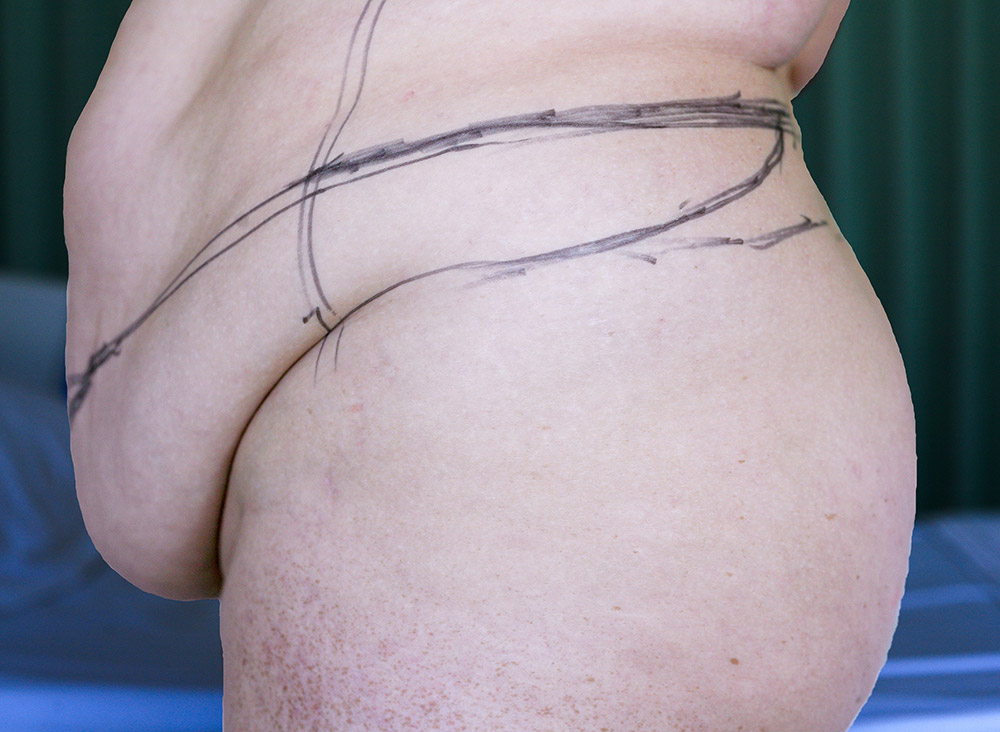
An apron belly, also called an abdominal pannus, is excess skin and underlying fat that hangs from the lower abdomen. The fold can be relatively small or extend over the pubic area and further down. It may contain a significant amount of fat, loose skin, or both.
This distinction matters when considering treatment. Reducing fat can change the size of an overhang, but established loose skin does not necessarily tighten around the smaller abdomen. A procedure to remove the fold must therefore be planned based on the tissue present, not appearance alone.
What Causes an Apron Belly?
The abdominal skin expands when body size increases, including during pregnancy and weight gain. After the abdomen becomes smaller, the skin may not contract enough to follow its new shape. The tissue left behind can gather at the lower abdomen, where gravity draws it into an overhanging fold.
Factors that can contribute to an apron belly include:
- Significant weight loss
- Pregnancy and changes to the abdominal wall
- Long periods of increased abdominal size
- Reduced skin elasticity with age
- Genetics and differences in skin quality
- Previous abdominal surgery or scarring
- Repeated weight fluctuations

How We Assess an Apron Belly
at Delta Clinics
At Delta Clinics, we examine the depth and width of the overhang and check whether excess skin is confined to the front of the abdomen or continues around the hips and flanks. Skin quality, remaining fat and the position of any previous scars influence where an incision can be placed and how much tissue can be removed. The assessment also considers abdominal muscle separation and signs of a possible hernia.
Your weight history, general health and future pregnancy plans help determine when a procedure should be considered. If you are still losing a substantial amount of weight, allowing it to stabilise may lead to a more reliable surgical plan. During your consultation, the surgeon will explain the proposed scar, whether muscle repair is appropriate and which areas the procedure can address.
Apron Belly Treatment Options
at Delta Clinics
The extent of the overhang determines how far the procedure needs to reach. A standard tummy tuck treats tissue concentrated at the front of the abdomen; more extensive skin laxity may require a different incision pattern. Liposuction can sometimes refine adjoining areas, but it cannot remove the hanging skin that forms the apron.
Tummy Tuck
A tummy tuck removes excess skin and fat from the abdomen through a low horizontal incision. The remaining skin is drawn into a firmer position, and separated abdominal muscles can be repaired if the examination shows this is needed. It is generally the starting point for surgical planning when the overhang is concentrated across the front of the abdomen.
Extended Tummy Tuck
If loose tissue continues around the hips and flanks, an extended tummy tuck lets the incision and skin removal extend beyond the central abdomen. This can be relevant after major weight loss, when removing only the fold at the front would leave substantial laxity at the sides. The longer incision and its scar are discussed before the procedure.
Fleur-de-Lis Tummy Tuck
A fleur-de-lis tummy tuck may be considered when significant excess skin needs to be removed in two directions, particularly after substantial weight loss. It uses both a low horizontal incision and a vertical incision through the abdomen. That additional scar allows the surgeon to address tissue that a horizontal incision alone may not adequately tighten.
Why Choose Delta Clinics for
Apron Belly Treatment?
Removing an abdominal overhang requires careful decisions about how far the excess tissue extends, how the wound can be closed and what scar is necessary to achieve the planned change. The surgical plan at Delta Clinics considers the entire abdomen and adjoining waistline, with a clear explanation of why a particular incision pattern is recommended.
Patients choose Delta Clinics for:

Surgeon-led assessment of skin excess, fat distribution and abdominal wall support

Access to standard, extended and fleur-de-lis tummy tuck techniques

Planning that considers the front of the abdomen alongside the hips and flanks

Clear discussion of scar length, muscle repair and realistic results

Assessment of weight stability and factors that may affect healing

Procedures performed in equipped clinical facilities

Wound care guidance and follow-up throughout recovery
Book an Apron Belly Consultation
If you’re considering treatment for an apron belly, contact Delta Clinics for more information or book a consultation online. We’ll assess the abdominal overhang, discuss what you would like to change and advise whether a tummy tuck could help. You’ll have time to ask questions and understand your options before deciding on the next step.
- WhatsApp: 07498213451
- Call: 02034410450
- Email: info@deltaclinics.co.uk
Apron Belly FAQs
Can an apron belly go away with weight loss?
Weight loss can reduce the fat within an abdominal overhang, so its size may change. If a substantial fold of stretched skin remains after your weight stabilises, further weight loss will not necessarily remove it.
Can exercise remove an apron belly?
Exercise can improve fitness and strengthen the abdominal muscles, but it cannot remove established excess skin. If the concern is a hanging fold, an assessment can determine how much is skin, fat, or a combination of both.
Does liposuction remove an apron belly?
Liposuction removes fat but does not cut away loose skin. Using it alone for a substantial overhang could leave the fold in place, although it may be considered alongside a tummy tuck to contour nearby areas.
What is the difference between a panniculectomy and a tummy tuck?
A panniculectomy primarily removes the hanging lower abdominal fold. A tummy tuck also reshapes the remaining abdominal tissue and can include muscle repair where needed. The procedures have different aims, so the term panniculectomy should not be used as though it means every type of tummy tuck.
Will an apron belly procedure repair separated abdominal muscles?
Muscle repair can be included in a tummy tuck when examination shows that the abdominal muscles have separated. It is not needed in every case, and the skin overhang alone does not tell us whether separation is present.
How much scarring will apron belly treatment leave?
A tummy tuck leaves a low horizontal scar, which is longer when the procedure extends around the hips. A fleur-de-lis tummy tuck also leaves a vertical abdominal scar. The proposed incision pattern will be explained during your consultation, as scars are permanent even though they generally soften over time.
How long does recovery take after an apron belly procedure?
Recovery depends on the extent of skin removal and whether muscle repair is performed. You will need time away from strenuous activity, and swelling can take several weeks to settle. Your aftercare instructions will cover movement, wound care, and returning to work based on your procedure.
Can an apron belly return after treatment?
The tissue removed during a procedure does not grow back. Significant weight gain or a future pregnancy can, however, stretch the remaining skin and change the abdominal contour again.
Should I wait until my weight is stable before apron belly treatment?
Yes, a procedure is usually planned once your weight has stabilised, because continued weight loss can leave more loose skin and change the result. The appropriate timing also depends on your health and whether you have completed any planned weight-loss treatment.
Is apron belly removal available on the NHS?
A tummy tuck for appearance alone is not usually available on the NHS. Local policies and individual medical circumstances may affect whether removal of a substantial overhang is considered, so any NHS eligibility needs to be discussed through the appropriate referral route.
Request a Consultation
Complete the form below and we will get back to you shortly to schedule an appointment.
 Online Marketing For Doctors