
Mini Versus Full Tummy Tuck: Which Is Right for You?
Last updated on April 2, 2026
Understanding the Differences Between Mini and Full Abdominoplasty
Changes to the abdominal area after pregnancy or weight loss can vary significantly from one person to another. Some people experience loose skin mainly below the navel, while others notice changes across the entire abdomen, including skin laxity and reduced muscle support.
In this latest blog, we compare mini tummy tuck vs full tummy tuck options and look at the key differences between the two approaches. Understanding how each procedure differs in scope and treatment area helps clarify why one option may be considered over the other depending on individual anatomy and goals.
What Is the Main Difference Between a Mini and Full Tummy Tuck?
The main difference between a mini tummy tuck and a full abdominoplasty comes down to the extent of correction. A mini tummy tuck focuses on the lower abdomen, usually below the navel, where smaller amounts of excess skin or mild contour changes may be present.
A full tummy tuck addresses a larger area of the abdomen and may involve more extensive skin adjustment and abdominal muscle support. The choice between mini vs full tummy tuck is generally based on how much of the abdominal area has changed rather than a preference for one procedure over the other.
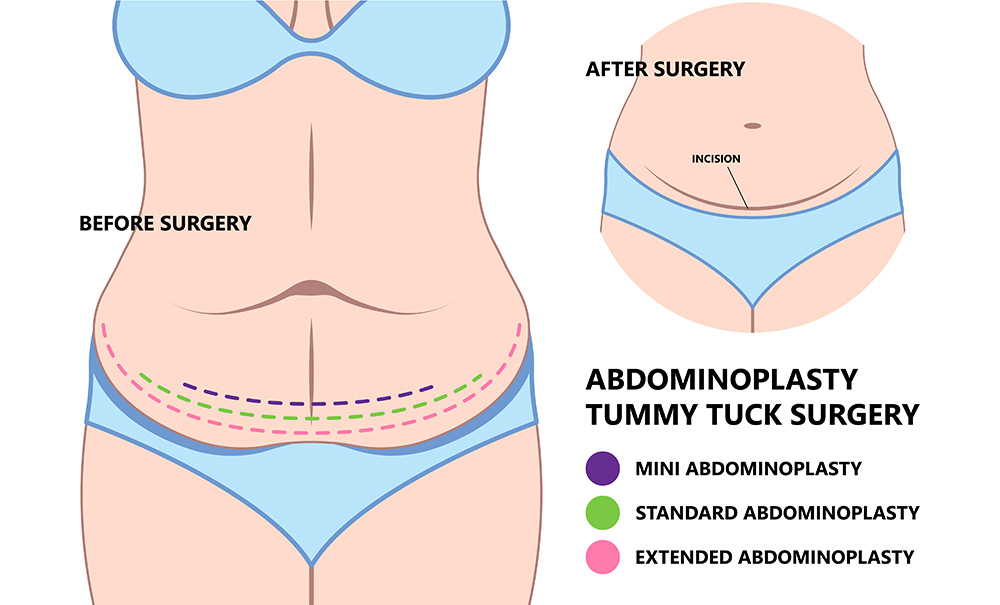
The difference between mini and full tummy tuck approaches often comes down to treatment area and skin laxity.
Mini Tummy Tuck Vs Full Tummy Tuck: Key Differences
While both procedures aim to improve abdominal contour, there are clear differences in how they are typically approached. Understanding these differences helps provide a clearer comparison without viewing one option as better than the other.
Treatment Area
A mini tummy tuck is usually limited to the lower abdominal region, focusing on skin and tissue below the belly button. A full tummy tuck addresses both the upper and lower abdomen, making it more suitable when changes extend across a wider area.
Amount of Skin Addressed
The amount of excess skin involved often determines whether a mini or full tummy tuck is considered. Mini procedures generally involve smaller adjustments, while full abdominoplasty is used when larger areas of skin laxity are present.
Muscle Support and Repair
Muscle changes can occur after pregnancy or significant weight fluctuations. In a mini tummy tuck, muscle repair may be limited or not required, whereas a full tummy tuck may include broader abdominal muscle support when separation affects the entire midsection.
Scar Placement and Length
Scar placement varies between mini and full procedures due to the treatment area involved. A mini tummy tuck typically uses a shorter incision, while a full tummy tuck usually requires a longer incision to allow for more extensive contour adjustment.
Common Misunderstandings About Mini Vs Full Tummy Tuck
A common assumption is that a mini tummy tuck simply delivers the same result as a full tummy tuck but with less surgery. In reality, the difference is based on treatment scope rather than intensity, with each approach designed to address specific patterns of abdominal change.
Another misunderstanding is that a mini tummy tuck is always suitable if someone prefers a smaller procedure. In practice, the decision usually depends on factors such as skin distribution and muscle support, which is why mini tummy tuck vs full tummy tuck comparisons focus on anatomy rather than preference.
When a Mini Tummy Tuck May Be Considered
A mini tummy tuck may be discussed when abdominal changes are limited to the lower portion of the abdomen and the overall area requiring correction is smaller. In these situations, the focus is usually on localised changes rather than the entire midsection.
Typical considerations include:
- Localised loose skin below the navel
- Mild lower abdominal contour changes
- Stable weight with limited skin laxity
- Minimal abdominal muscle separation
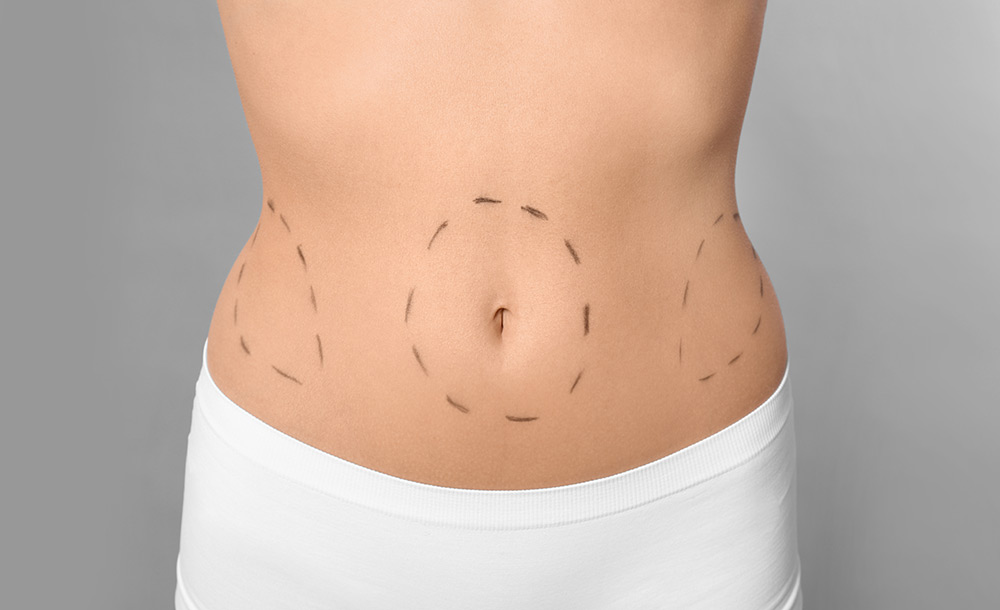
Mini and full abdominoplasty procedures are designed to address different patterns of abdominal change.
When a Full Tummy Tuck May Be Considered
A full tummy tuck may be considered when changes involve both the upper and lower abdomen or when muscle support across the midsection has been affected. This approach is generally discussed when broader correction is needed across a larger treatment area.
Common considerations include:
- Skin laxity affecting a larger abdominal area
- Changes following pregnancy involving muscle support
- More significant post-weight loss abdominal changes
- Need for broader abdominal contour adjustment
Can Results Look Different Between the Two?
Results between mini tummy tuck vs full tummy tuck procedures may look different primarily because the treatment scope is not the same. A mini tummy tuck focuses on refining the lower abdomen, while a full tummy tuck addresses the entire abdominal area, which can influence overall contour.
Rather than one approach being considered better, the difference usually relates to how much correction is required. The extent of skin adjustment and muscle support involved will naturally affect how the final contour appears.
Final Thoughts
Understanding the differences between mini tummy tuck vs full tummy tuck options helps clarify why treatment recommendations vary from person to person. The main distinction is not about preference, but about the extent and location of abdominal changes being addressed.
Both mini and full abdominoplasty approaches aim to support abdominal contour, with the most appropriate option depending on individual anatomy and treatment goals. A personalised assessment helps determine which approach aligns with the specific changes present.
Take the Next Step with Delta Clinics
If you are considering abdominoplasty, Delta Clinics offers private consultations where you can discuss your concerns and receive clear, personalised guidance based on your individual anatomy and goals.
Contact us today to book your consultation:
- WhatsApp: 07498213451
- Call us: 02034410450
- Email: info@deltaclinics.co.uk
FAQs
What is the main difference between a mini tummy tuck vs full tummy tuck?
The main difference is the treatment area. A mini tummy tuck focuses on the lower abdomen, while a full tummy tuck addresses both the upper and lower abdominal regions. The choice depends on how widely abdominal changes are distributed.
Is a mini tummy tuck less invasive than a full tummy tuck?
A mini tummy tuck generally involves a smaller treatment area and a shorter incision compared with a full abdominoplasty. However, the most suitable option is determined by the extent of abdominal changes rather than simply choosing a smaller procedure.
Can a mini tummy tuck repair abdominal muscles?
Muscle repair may be limited or unnecessary in a mini tummy tuck, depending on the individual. A full tummy tuck is more commonly considered when broader abdominal muscle support is required.
Who is usually suitable for a full tummy tuck?
A full tummy tuck may be discussed when skin laxity or muscle changes affect both the upper and lower abdomen, often following pregnancy or significant weight loss.
Do mini and full tummy tuck results look different?
Yes, results can differ because the procedures address different areas of the abdomen. A mini tummy tuck focuses on lower abdominal contour, while a full tummy tuck provides more extensive correction across the midsection.




15 July 2026




 Online Marketing For Doctors