
What Areas of the Body Can Be Treated With Liposuction?
Last updated on April 2, 2026
Your Guide to the Most Common Liposuction Areas
Liposuction can be performed across a number of different body regions, not just one isolated area. The key is understanding how different liposuction areas affect overall shape, because contour changes in one zone often influence how the rest of the body looks.
In this latest blog, we look at the different areas that can be treated with liposuction and how each region contributes to overall body contour. Understanding how these areas work individually and together helps explain why treatment is typically planned with balance and proportion in mind.
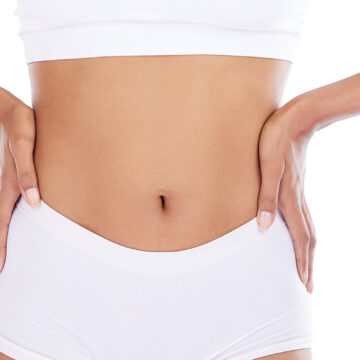
Liposuction Areas Around the Midsection
The midsection is one of the most frequently treated regions because fat tends to collect here and can change body proportions significantly. Treating this area is usually about improving shape and transition rather than simply reducing volume.
Abdomen
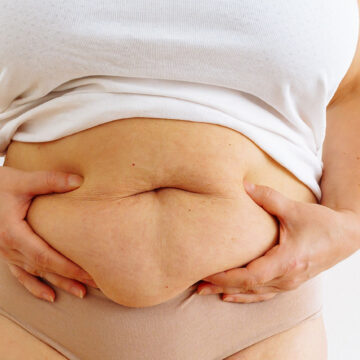
The abdomen is a common liposuction area where fat can sit in the upper or lower stomach despite stable weight and regular exercise. Treatment focuses on refining contour so the stomach appears smoother and more balanced with the rest of the torso, rather than aiming for an exaggerated or overly tight result.
Waist and Flanks
The waist and flanks, often called love handles, play a major role in the overall silhouette. Removing fat from this area can help create a clearer definition between the torso and hips, which is why it is frequently treated alongside the abdomen. Approaches such as 360 liposuction are designed to address this full midsection so the contour looks even from all angles.
Lower Back
The lower back is sometimes overlooked, but fat in this area can affect how the waistline appears from the side and rear view. Treating the lower back helps smooth transitions between the torso and hips, creating a more natural flow through the midsection.
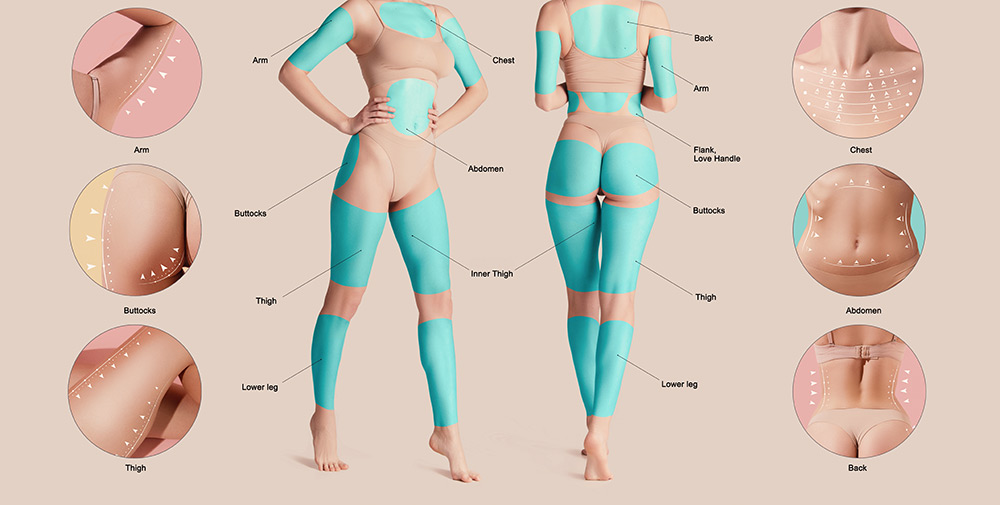
Targeting the right liposuction areas helps create smoother body contours rather than focusing on one isolated zone.
Liposuction Areas on the Lower Body
Lower-body contouring focuses on balance between the hips, thighs and surrounding structures. Small adjustments in these areas can change proportions without needing large-volume fat removal.
Inner Thighs
The inner thighs are a common area for liposuction, where localised fat may cause heaviness or rubbing. Treatment aims to refine the contour and improve leg shape while maintaining a natural appearance that fits with the rest of the body.
Outer Thighs and Hips
Fat around the outer thighs and hips can widen the lower silhouette and affect how clothing sits. Liposuction in this region is usually planned carefully so the hips transition smoothly into the thighs, helping the lower body look more proportionate rather than simply smaller.
Buttock Transition
The area where the hips meet the buttocks can hold small fat deposits that interrupt natural contour lines. Treatment here is typically subtle, focusing on smoothing the shape so the lower body appears more cohesive from side and back angles.
Liposuction Areas on the Upper Body
Upper-body liposuction areas are generally smaller, but they can still make a noticeable difference to overall proportions. The focus is usually on refinement rather than dramatic change.
Upper Arms
The upper arms are treated when fullness remains despite exercise and weight stability. Liposuction here is used to refine shape and improve how the arms sit in relation to the shoulders and chest, while keeping natural softness and movement.
Chin and Neck
The chin and neck are smaller treatment areas, but they can have a strong impact on profile. Carefully planned fat removal helps improve definition between the jawline and neck, creating a cleaner outline without making the area look over-treated.
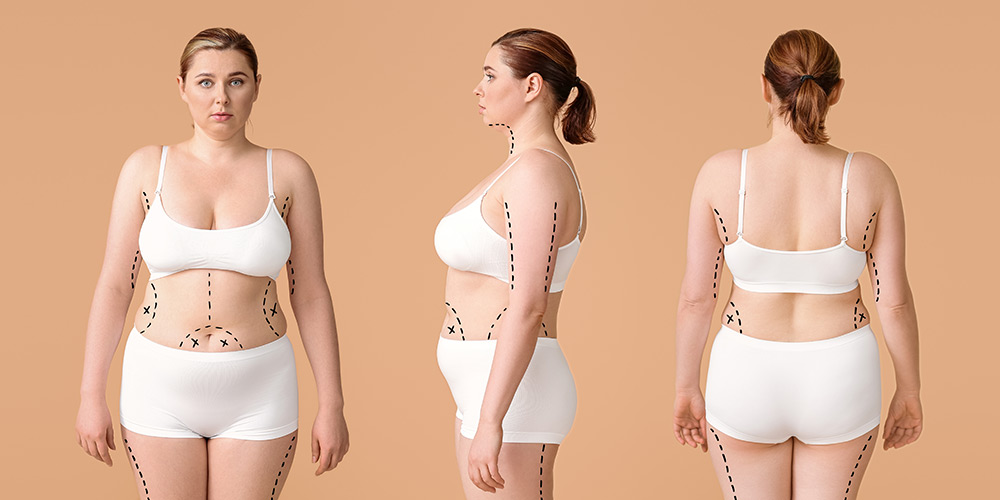
Treating connected liposuction areas together can help create more balanced and natural-looking proportions.
Can Multiple Liposuction Areas Be Treated Together?
Yes, it is common for several liposuction areas to be treated during the same procedure when those areas naturally connect. Treating neighbouring zones often produces a more balanced result than focusing on one isolated area, as the contours flow more smoothly across the body.
At Delta Clinics, we use Vaser liposuction as it allows fat to be targeted with precision across multiple areas while supporting smoother contouring. The overall goal is always proportion and harmony rather than removing the maximum amount of fat from any single region.
Which Liposuction Areas Tend to Make the Biggest Difference?
Some areas tend to create a greater visual change because they define body shape more clearly. The waist and flanks are a good example, as even modest contouring here can alter how the torso looks overall and improve balance between upper and lower body.
Smaller regions such as the chin and neck can also make a noticeable difference due to their role in facial profile, while thigh contouring often changes how the lower body appears in relation to the hips. The biggest improvements usually come from selecting areas that improve proportion rather than focusing only on size.
Final Thoughts
Liposuction can be used across a wide range of body areas, each contributing differently to overall shape and contour. Understanding how these liposuction areas are grouped and treated helps set realistic expectations about what the procedure is designed to achieve.
In practice, treatment is planned around balance and natural transitions between regions. Focusing on the right combination of areas is what creates results that look proportionate and consistent with the rest of the body.
Take the Next Step with Delta Clinics
If you are considering liposuction, Delta Clinics offers private consultations where you can discuss your concerns and receive clear, personalised guidance based on your individual anatomy and goals.
Contact us today to book your consultation:
WhatsApp: 07498213451
Call us: 02034410450
Email: info@deltaclinics.co.uk
FAQs
Does liposuction remove fat permanently from treated areas?
Fat cells removed during liposuction do not return to the treated area. However, maintaining a stable weight is important, as remaining fat cells in other areas can still expand if weight changes significantly.
How long does swelling last after liposuction?
Swelling is a normal part of recovery and usually settles gradually over several weeks. Most people notice early shape changes sooner, but final contour refinement continues as healing progresses.
Can liposuction help with uneven body shape?
Liposuction is often used to improve the balance between body areas where fat distribution is uneven. The aim is to create smoother transitions and better overall proportion rather than dramatic size reduction.
Is there a limit to how many areas can be treated in one procedure?
The number of areas treated depends on factors such as overall health, treatment goals, and surgical planning. The focus is always on safety and achieving a balanced result rather than treating as many areas as possible.
Will skin tighten after liposuction?
Skin response varies between individuals and depends on factors such as elasticity and age. Where skin quality is good, it often adapts well to new contours, but this is assessed carefully during consultation.


15 July 2026

 Online Marketing For Doctors