
Breast Augmentation Recovery Tips for a Smooth Healing Process
Last updated on November 13, 2025
Gentle Care and Smart Habits for a Confident Recovery
Recovering after breast augmentation is a gradual process that requires patience, rest and proper aftercare. While every patient heals differently, understanding how to support your body can make a noticeable difference to your comfort and results.
In this latest blog post, we explore practical breast augmentation recovery tips that help reduce swelling, promote healing and keep you feeling well throughout your recovery journey.
At Delta Clinics, post-operative care is an essential part of every treatment plan. Here, we share professional advice on how to look after yourself after breast implant surgery, from resting comfortably to maintaining good nutrition and emotional balance, so you can heal safely and smoothly.
Set Yourself Up for Success Before Surgery
A smooth breast augmentation recovery begins with good preparation. Having the right support and environment in place will make the first few days much easier.
- Prepare your home: Keep essentials within easy reach, stock light meals and arrange comfortable bedding that supports your back.
- Plan time off work: Most patients need at least a week of rest before resuming light duties.
- Arrange support: Ask a friend or family member to assist with childcare, meals and transport for the first few days.
- Follow pre-surgery instructions: Avoid smoking and alcohol, and follow your surgeon’s fasting and medication guidance carefully.

Gentle post-surgery care supports a smooth breast augmentation recovery and helps reduce swelling naturally.
Focus on Rest and Controlled Movement
Rest is crucial during the early stages of recovery after breast surgery. Give your body time to heal by limiting arm movements and avoiding heavy lifting. Sleeping on your back with your upper body slightly elevated can help reduce swelling and pressure on the chest.
Gentle walking, even a few minutes around the room, encourages circulation, helping to prevent stiffness and swelling. Always follow your surgeon’s advice on when to increase activity, as recovery after breast augmentation can vary depending on the individual and surgical technique.
Support Your Healing Through Nutrition and Hydration
A balanced diet is one of the simplest and most effective ways to support your recovery. Focus on nutrient-dense foods that provide the energy and building blocks your body needs for repair.
- Include lean protein: Chicken, fish, eggs and legumes aid tissue repair.
- Eat fruits and vegetables: These provide vitamins C and A for collagen production and immune health.
- Stay hydrated: Water helps flush toxins and maintain healthy circulation.
- Limit processed foods and salt: This helps minimise fluid retention and swelling.
Care for Your Incisions and Skin
Proper incision care reduces the risk of irritation and infection while supporting healthy healing. Keep your incisions clean and dry and avoid applying creams or ointments unless specifically approved by your surgeon.
Avoid soaking in baths or swimming until the wounds are fully closed. Once healed, gentle scar care may be recommended to help maintain skin texture and elasticity. Always follow your post-surgery instructions precisely, as improper care can affect healing outcomes.

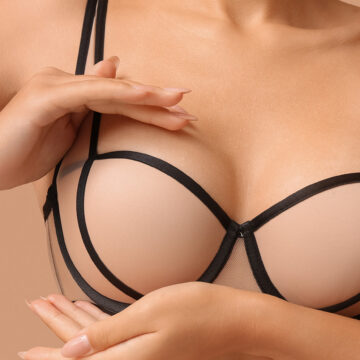
Wearing a supportive surgical bra helps stabilise implants and encourages comfortable breast augmentation recovery.
Wear the Right Support Garments
Wearing a supportive post-surgical bra or compression garment is essential in the weeks following breast augmentation. These garments help control swelling, keep implants stable and improve overall comfort.
Ensure your bra fits correctly; it should feel snug but not restrictive. Avoid underwired bras until your surgeon confirms they’re safe to wear. Most patients transition to a soft, supportive bra after several weeks, depending on healing progress.
Listen to Your Body and Follow Professional Advice
Every recovery experience is unique, so it’s important to listen to your body and communicate openly with your surgical team. Mild tightness, swelling and changes in breast position are normal during the early stages of healing.
If you experience unexpected pain, significant swelling, or fever, contact the clinic promptly. Consistent follow-up appointments help your surgeon assess progress and provide reassurance that everything is healing as expected.
Gradually Reintroduce Activity
As your recovery progresses, you’ll gradually regain movement and energy. Light activity, such as walking, can usually increase after the first week, but strenuous exercise should wait until your surgeon approves.
Avoid lifting heavy objects, stretching your arms overhead, or engaging in chest workouts during the early recovery phase. Overexertion can delay healing or disrupt implant positioning. Focus on gradual, steady improvement rather than rushing to resume normal routines.
Emotional Recovery and Patience with Results
Physical healing is only part of recovery. It’s common to experience emotional ups and downs in the weeks following surgery. Swelling, temporary asymmetry, or changes in how they feel can make early breast augmentation results difficult to judge.
Give your body time to adjust; implants need several months to settle into their final position. Maintaining realistic expectations and focusing on gradual improvement helps make the recovery experience more positive and empowering.
When to Contact the Clinic
While mild discomfort and swelling are normal, certain symptoms require prompt attention. Contact your clinic if you notice persistent pain, redness, unusual discharge, or one breast appearing significantly different from the other. Regular communication with your surgical team ensures peace of mind and supports optimal healing throughout the breast augmentation recovery process.
Why Choosing the Right Clinic Makes Recovery Easier
The recovery journey is smoother when you feel supported and informed. Delta Clinics provides personalised aftercare, regular check-ups and direct access to medical professionals who monitor your healing progress. From tailored advice on garment wear to clear activity guidelines, every step is designed to help you recover comfortably and confidently after breast surgery.
Ongoing Support from Delta Clinics
If you’re in the recovery phase after breast augmentation or preparing for your upcoming procedure, Delta Clinics provides ongoing guidance and compassionate aftercare to help you heal with confidence. Our team is available to answer questions, review your progress and ensure your results continue to look and feel their best.
Contact us today for personalised support or to arrange a follow-up appointment:
WhatsApp: 07498213451
Call us: 02034410450
Email: info@deltaclinics.co.uk
FAQs
How long does breast augmentation recovery take?
Most patients return to light activities within 1 to 2 weeks, while complete healing and implant settling can take several months. Your surgeon will advise when you can resume all normal routines.
What should I avoid after breast augmentation?
Avoid lifting, stretching, or strenuous exercise until your surgeon confirms it’s safe. Activities that raise your heart rate too soon can increase swelling and slow recovery.
When can I return to exercise after breast augmentation?
Gentle walking is encouraged within a few days, but heavy workouts should wait four to six weeks. Always follow your clinic’s personalised timeline for reintroducing physical activity.
How can I speed up my breast augmentation recovery?
Follow your aftercare plan closely, stay hydrated and eat a balanced diet rich in protein and vitamins. Rest, support garments and avoiding smoking all promote faster healing.
How painful is breast augmentation recovery?
Discomfort is normal for the first few days but typically improves quickly with rest and prescribed pain relief. Mild tightness or pressure can last a few weeks as tissues settle.
When will my implants feel natural?
Implants gradually soften and settle into position over three to six months as the surrounding tissues adapt. By this stage, the breasts typically feel more natural and move more comfortably with your body.


15 July 2026

 Online Marketing For Doctors