
Liposuction vs. Weight Loss: Understanding the Difference
Last updated on March 17, 2026
Why Weight Loss And Liposuction Are Often Misunderstood
When people compare weight loss and liposuction, they are often trying to answer a very specific question: why does my body still not look the way I expect, even after losing weight?
While both relate to fat reduction, they serve very different purposes and produce very different outcomes. Understanding the distinction is essential for setting realistic expectations and making informed decisions about body shape and contour.
Why Liposuction and Weight Loss Are Often Confused
Weight loss and liposuction are frequently grouped together because both involve reducing fat. The confusion usually comes from how success is measured. Weight loss is commonly tracked on the scales, while liposuction is judged visually, based on changes in shape and proportion.
As fat is the shared focus, it can seem logical to assume both approaches achieve the same goal in different ways. In reality, they address very different limitations of the body, which is why comparing them without context often leads to misunderstanding.

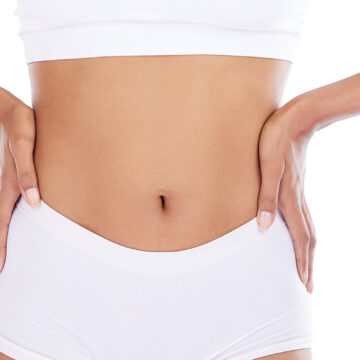
Weight loss and liposuction address fat reduction in very different ways, with one affecting the whole body and the other targeting specific areas.
Weight Loss Changes the Body, but Not Always the Shape
Weight loss reduces overall body mass by creating a calorie deficit. As weight decreases, fat and muscle are lost across the body rather than from specific areas, which is why weight loss can improve general health and reduce clothing size without necessarily changing body proportions.
Although weight loss is effective for reducing overall size, it has clear limitations when it comes to reshaping the body:
- Fat loss occurs systemically rather than in targeted areas
- Genetically resistant fat deposits may remain despite consistent effort
- Further weight loss can reduce volume in areas that are already lean
- Body proportions do not always improve in line with scale-based progress
This often leads to frustration, particularly when continued dieting or training produces diminishing visual returns. At this stage, weight loss may no longer align with aesthetic goals, even when it remains beneficial for overall health.
Liposuction Is About Body Contouring, Not Weight Reduction
Liposuction works in a fundamentally different way. Rather than influencing metabolism or calorie balance, it physically removes localised fat from specific areas of the body. The intention is to refine shape and proportion, not to reduce overall body weight.
This is why liposuction is not considered a weight loss solution. Many people notice little change on the scales after treatment, yet see clear improvements in how their body looks and how clothing fits. When comparing liposuction vs weight loss, understanding how results are measured is critical, as expecting liposuction to replicate the effects of weight loss often leads to unrealistic expectations.
Weight Loss and Liposuction: What Is the Difference?
Although they are often discussed together, weight loss and liposuction address different problems and achieve change in different ways. Understanding this distinction helps clarify why one cannot replace the other.
The difference becomes clearer when the two are compared directly:
- Weight loss affects the entire body through calorie balance and metabolism
- Liposuction targets specific areas where fat is resistant to lifestyle change
- Weight loss reduces overall body mass, while liposuction reshapes proportions
- Weight loss progress is measured on the scale, while liposuction results are judged visually
As they work differently, weight loss and liposuction are not interchangeable. Each plays a distinct role, and confusing the two often leads to frustration rather than better outcomes.
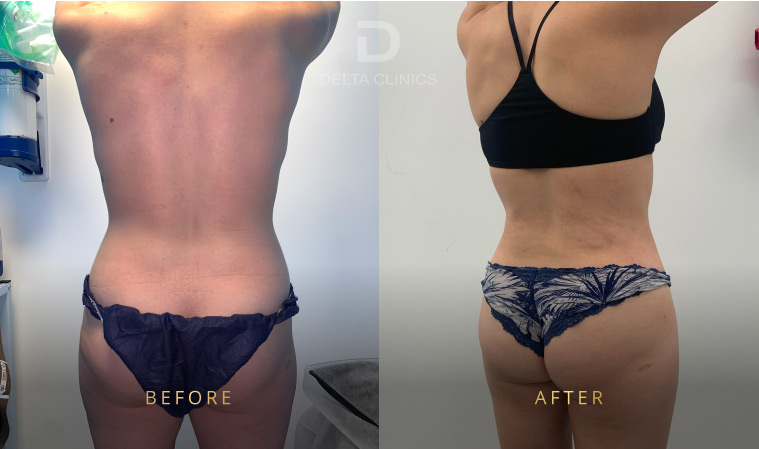
Weight loss and liposuction are often confused, but they solve different problems related to fat distribution and body contour.
Why Stubborn Fat Persists Even After Successful Weight Loss
Stubborn fat exists for biological reasons. Genetics influence where the body stores fat, while hormones affect how easily those fat cells are released. This explains why two people with similar weights and lifestyles can have very different body shapes.
When weight loss reaches a plateau, further calorie restriction often reduces fat from areas that are already lean rather than from resistant zones. As a result, proportions may worsen rather than improve, which is why continued weight loss alone does not always deliver the desired visual change.
Where Liposuction Fits After Weight Loss Has Plateaued
Liposuction is typically considered once weight has stabilised and healthy habits are already established. It is not designed to replace diet or exercise, but to complement them by refining areas that no longer respond to further effort.
At Delta Clinics, we approach liposuction as a body contouring treatment rather than a shortcut to weight loss. Our focus is on proportion, balance and targeted fat reduction, helping individuals address areas that remain unchanged despite sustained lifestyle changes.
Not All Liposuction Is the Same
While the core principle of liposuction remains consistent, the way it is performed can vary depending on treatment goals and anatomy. Some approaches focus on more comprehensive reshaping across multiple areas of the body, while others prioritise precision and definition in specific zones.
At Delta Clinics, this is why options such as 360 liposuction and Vaser liposuction are used in different situations. Each approach is selected based on body structure, fat distribution and the type of contouring required, rather than weight alone. Keeping this distinction clear helps prevent liposuction from being misunderstood as a general weight loss solution.
When Liposuction May Be Considered Over Further Weight Loss
Liposuction may be considered when weight is stable and the primary concern is body shape rather than overall size. It is often explored by individuals who are close to their target weight but remain dissatisfied with localised fat deposits that persist despite consistent diet and exercise. At this stage, professional assessment becomes more valuable than pursuing further weight loss, as anatomy and proportion play a greater role in determining achievable results.
Final Thoughts
Comparing weight loss and liposuction only makes sense when their differences are clearly understood. Weight loss improves health and reduces overall body mass, while liposuction refines shape by targeting specific areas of resistant fat. Recognising where one approach ends and the other begins, allows for more informed decisions, realistic expectations and outcomes that align with individual goals rather than assumptions.
Take the Next Step with Delta Clinics
If you are considering liposuction, Delta Clinics offers private consultations where you can discuss your concerns and receive clear, personalised guidance based on your individual anatomy and goals.
Contact us today to book your consultation:
WhatsApp: 07498213451
Call us: 02034410450
Email: info@deltaclinics.co.uk
FAQs
Is liposuction the same as weight loss?
No, liposuction and weight loss work in completely different ways and are not the same thing. Weight loss reduces overall body mass, while liposuction reshapes specific areas by removing localised fat deposits.
Can liposuction replace weight loss?
Liposuction cannot replace weight loss and is not designed to improve overall health or reduce body weight. It is intended for people who are already close to their target weight but want to address stubborn areas that do not respond to lifestyle changes.
Should I lose weight before liposuction?
In most cases, liposuction is best considered once your weight has stabilised rather than during active weight loss. This helps ensure more predictable contouring results and reduces the likelihood of future changes affecting the outcome.
Does liposuction help after weight loss?
Yes, liposuction is often considered after weight loss to refine body shape and proportions. It can address localised fat deposits that remain despite sustained diet and exercise efforts.
What happens to your weight after liposuction?
Most people do not see a significant change in their overall weight after liposuction. The results are typically visible through improved shape and fit of clothing rather than a lower number on the scale.



15 July 2026


 Online Marketing For Doctors